
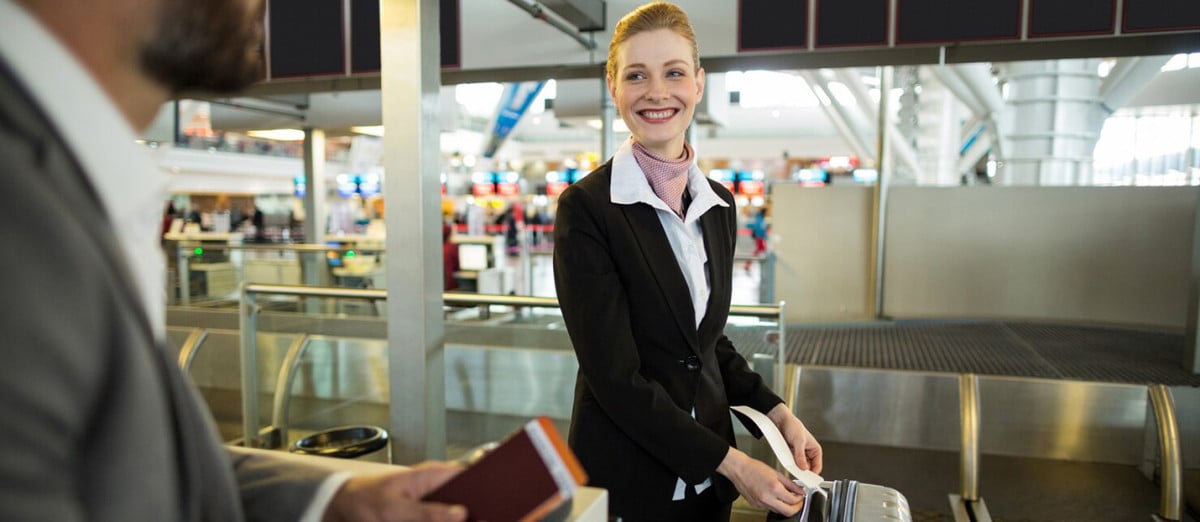
Nobody likes an unexpected airline charge. You’ve booked your flights, packed your bags and you’re ready for your getaway, only to discover at the airport that you should have checked in online.
Airport check-in fees aren’t charged by every airline, but some low-cost carriers can charge passengers who arrive without completing the required online check-in process.
That makes understanding your airline’s rules before leaving home particularly important.
This 2026 guide explains airport check-in fees for UK travellers, how online and mobile check-in work, when you should check in and some simple ways to avoid unnecessary charges.
Important: Airline fees and check-in rules can change. Always confirm the latest requirements directly with your airline before travelling.
Airport Check-In Fees by Airline in 2026
Airport check-in fees vary considerably between airlines. Many traditional carriers provide airport check-in facilities without a separate check-in charge, while some low-cost airlines expect passengers to complete the process online.
Two airlines UK travellers should pay particular attention to are Ryanair and Wizz Air.
| Airline | Airport check-in |
|---|---|
| Ryanair | £55/€55 airport check-in fee can apply if you fail to check in online |
| Wizz Air | Airport check-in is generally a paid service, although exceptions apply |
| easyJet | Online check-in is recommended before arriving at the airport |
| British Airways | Airport check-in facilities available |
| Jet2 | Airport check-in facilities available |
| TUI Airways | Airport check-in facilities available |
| Emirates | Airport check-in facilities available |
| Etihad Airways | Airport check-in facilities available |
| Virgin Atlantic | Airport check-in facilities available |
| Turkish Airlines | Airport check-in facilities available |
| KLM | Airport check-in facilities available |
| SAS | Airport check-in facilities available |
| American Airlines | Airport check-in facilities available |
| Lufthansa | Airport check-in facilities available |
| Iberia | Airport check-in facilities available |
| Aer Lingus | Airport check-in facilities available |
| Air France | Airport check-in facilities available |
Don’t assume that having airport check-in facilities means every service will always be free. Rules can vary by airline, airport, route, ticket and passenger circumstances.
If avoiding airport check-in fees is important to you, check your airline’s current rules before travelling and complete online check-in whenever required.
What Are Airport Check-In Fees?
Check-in is the process of confirming that you’re taking your booked flight and obtaining your boarding pass.
It isn’t the same as bag drop.
If you’ve checked in online but you’re travelling with hold luggage, you’ll normally still need to take your luggage to the airline’s bag-drop area before proceeding through security.
Depending on the airline and airport, check-in may be available through:
- The airline’s mobile app
- The airline’s website
- A self-service airport kiosk
- An airport check-in desk
Airport check-in fees generally become relevant when an airline requires or encourages online check-in but a passenger arrives at the airport without completing it.
Ryanair Airport Check-In Fees in 2026
Ryanair is particularly important for UK passengers to understand.
According to Ryanair’s official check-in guidance, passengers who don’t complete online check-in before arriving at the airport can currently be charged an airport check-in fee of £55/€55 per passenger.
Ryanair’s online check-in remains available until two hours before scheduled departure.
Completing the process online before leaving for the airport is therefore the simplest way to avoid Ryanair airport check-in fees.
Ryanair also uses digital boarding passes through its app, so make sure you understand the current boarding-pass requirements before travelling.
What About Wizz Air Airport Check-In Fees?
Wizz Air is another airline where passengers should pay close attention to the check-in conditions attached to their booking.
According to Wizz Air’s official check-in information, online and mobile check-in are free, while airport check-in is generally a paid service. Wizz Air notes that airport check-in is free at certain airports where online check-in isn’t available.
Rather than relying on an old fixed fee figure, check the price and requirements shown with your specific Wizz Air booking before travelling.
This is particularly important because airport check-in fees and other airline charges can change over time.
Does easyJet Charge for Airport Check-In?
easyJet encourages passengers to complete check-in before arriving at the airport.
According to easyJet’s official check-in information, online check-in is available from 30 days until two hours before the scheduled departure time.
You can check in through the easyJet website or app and download or print your boarding pass before travelling.
If you’re flying with easyJet, the simplest approach is therefore to complete online check-in in advance rather than leaving it until you reach the airport.
How to Avoid Airport Check-In Fees
The easiest way to avoid airport check-in fees is to understand your airline’s rules before travelling.
For airlines that require or encourage online check-in, complete it as soon as your check-in window opens rather than waiting until you’re on the way to the airport.
A simple pre-flight routine can help:
- Check when online check-in opens.
- Check the deadline for completing it.
- Complete check-in through the official airline website or app.
- Make sure every passenger on the booking is checked in.
- Save your boarding pass to your phone.
- Check whether your departure airport accepts mobile boarding passes.
- Recheck your airline’s instructions before leaving home.
A few minutes of preparation can prevent airport check-in fees from becoming an expensive start to your holiday.
How to Check In Online
Online check-in is usually straightforward.
Go to your airline’s official website or app and find the check-in or manage-booking section.
You’ll generally need your booking reference and passenger details. Depending on your destination, you may also need to enter passport or other travel-document information.
Follow the instructions, confirm the required passenger information and complete the check-in process.
Once finished, save your boarding pass somewhere that’s easy to access.
Don’t rely solely on an internet connection at the airport. If your airline allows it, save the boarding pass in your phone’s wallet or airline app so it’s readily available when you need it.
How Does Mobile Check-In Work?
Mobile check-in follows essentially the same process but takes place through the airline’s app or mobile website.
After checking in, you’ll normally receive a digital boarding pass containing a barcode or QR code that can be scanned during your journey through the airport.
Mobile check-in can be extremely convenient, but don’t leave it until the last minute.
Online check-in deadlines still apply, and missing one could result in airport check-in fees with airlines that charge for the service.
What Time Should You Arrive at the Airport?
There isn’t one arrival time that works for every passenger and every airport.
Your airline’s instructions should always take priority because check-in, bag-drop and boarding deadlines can vary.
As a useful example, Heathrow’s official check-in guidance recommends arriving three hours before international flights and two hours before domestic or European flights.
Other UK airports and individual airlines may give different advice, so always check the guidance that applies to your particular journey.
Give yourself additional time if you’re checking luggage, travelling during a busy holiday period, require assistance or are unfamiliar with the airport.
Most importantly, don’t confuse your recommended airport arrival time with your airline’s check-in or bag-drop deadline.
Airport Check-In vs Bag Drop
It’s easy to confuse check-in with bag drop, but they’re different stages of your journey.
Check-in confirms you’re travelling and provides your boarding pass.
Bag drop is where you hand over hold luggage after you’ve checked in.
This means you can be fully checked in online and still need to visit an airline desk or automated bag-drop facility at the airport.
If you’re travelling with hand luggage only and already have a valid boarding pass, you may be able to go directly towards security, subject to your airline and airport’s requirements.
Understanding the difference can also help you avoid mistakenly thinking airport check-in fees are the same thing as baggage charges.
What Are Self-Service Check-In Kiosks?
Many airports have self-service kiosks that can reduce the amount of time passengers spend queuing at traditional desks.
Depending on the airline and airport, these machines may allow you to check in, print travel documents or prepare baggage tags.
Availability varies, though, and the presence of a kiosk doesn’t override your airline’s online check-in requirements.
If your airline requires you to check in online, use its website or app within the specified window.
Are Biometric Check-In Systems Available at UK Airports?
Biometric technology is increasingly being used within aviation, although exactly how and where it’s available varies between airlines, airports and individual journeys.
Facial-recognition technology can be used at certain stages of the passenger journey to help verify identity and make airport processes more efficient.
However, don’t assume your flight will support a completely biometric journey.
Follow the instructions provided by your airline and departure airport and keep the required passport, travel documents and boarding information available.
Baggage Fees and Airport Check-In Fees Are Different
Airport check-in fees shouldn’t be confused with baggage charges.
An airline might allow you to check in without an additional charge while still charging for hold luggage, an additional cabin bag or excess baggage.
Similarly, paying for checked luggage doesn’t necessarily mean you’ve completed passenger check-in.
If you’re trying to keep your overall flight costs down, check both sets of rules separately.
Our guide to how to avoid excess baggage fees explains some of the ways you can reduce the risk of unexpected luggage charges.
What Happens If You Forget to Check In Online?
What happens next depends entirely on the airline.
With an airline such as Ryanair, missing the online check-in deadline can mean paying airport check-in fees before you’re allowed to travel.
Other airlines have different arrangements.
If you realise you’ve forgotten to check in, don’t wait until you reach the airport to investigate. Open your airline’s website or app immediately and see whether the online check-in window is still open.
If it has closed, check the airline’s official guidance or speak to its staff at the airport.
Final Thoughts on Airport Check-In Fees
Airport check-in fees are one of those travel costs that can often be avoided with a little preparation.
Before travelling, check when your airline’s online check-in window opens and closes, complete the process in good time and make sure you have access to your boarding pass.
This is especially important when flying with airlines that charge airport check-in fees when passengers don’t complete the required online process.
You should also check your baggage allowance, bag-drop deadline and boarding time separately, as these aren’t the same as passenger check-in.
Airline policies can change, so use this guide as a starting point and confirm the latest fees and requirements directly with your airline before every journey.
For more help preparing for your next flight, read our 12 Airport Hacks for Comfortable Travel in 2026 and How to Avoid Excess Baggage Fees.
You can also explore more flight advice, destination guides and travel inspiration on TravelHype.


Comment (0)